
Category: Dog Behavior and Psychology

Dog Behavior & Psychology: Understand Your Canine Companion

Many dog owners underestimate the significance of understanding dog behavior and psychology. By learning to interpret your dog’s body language, you can better address their needs and emotions, ultimately leading to a more harmonious relationship. This knowledge will empower you to tackle common behavioral problems such as aggression and separation anxiety. Additionally, understanding canine cognition and emotions will help you build a stronger, more loving bond with your furry companion, ensuring a happy and fulfilling life together.

Understanding Dog Body Language

For dog owners, interpreting your dog’s body language is necessary for understanding their needs and emotions. By paying attention to key signals, you can enhance communication with your furry friend and respond appropriately to their feelings. This understanding not only helps in strengthening your bond but also aids in preventing or addressing behavioral issues, ensuring a happier and healthier relationship.

Key Signals and Their Meanings

Meanings behind your dog’s body language can indicate a range of emotions. A wagging tail often signifies happiness, while a lowered body posture might suggest fear or submission. Observing these signals allows you to better understand how your dog is feeling and respond to their emotional state effectively.

Recognizing Stress and Comfort

Across various situations, your dog’s body language will exhibit signs of either stress or comfort. These indicators can include posture, tail positioning, and facial expressions, which help you gauge how your dog is feeling in different environments. By being attentive, you can create a space where your dog feels safe and secure.

Understanding how to recognize stress and comfort in your dog is vital. Signs of stress may include panting, lip licking, or tail tucking, indicating that your dog is uncomfortable or anxious. Conversely, relaxed body language, such as a wagging tail and soft eyes, signifies comfort and happiness. By observing and interpreting these behaviors, you can effectively respond to your dog’s needs, fostering a positive environment. Prioritizing their emotional well-being leads to a more fulfilling companionship.

Common Behavioral Problems

Some dogs experience behavioral challenges that can affect their well-being and your relationship. Identifying and addressing these common issues, such as aggression and separation anxiety, is vital for promoting a healthy and happy life for your furry friend. Understanding the root causes of these behaviors allows you to implement effective strategies for correction and fosters a positive environment.

Aggression and Reactivity

About one of the most concerning behavioral issues is aggression, which can manifest in various forms, such as fear-based aggression or territorial behavior. Recognizing the signs of aggression and understanding what triggers these responses is vital. With appropriate training and socialization, you can help your dog feel more secure and reduce instances of reactivity.

Separation Anxiety

Above all, separation anxiety is a prevalent issue among dogs, often stemming from a strong attachment to their owners. Dogs suffering from this condition may exhibit destructive behavior, excessive barking, or attempts to escape when left alone.

This behavior can be alarming, but it’s important to know that separation anxiety can be managed. Start by ensuring your dog has a safe space filled with their favorite toys and comfort items. Gradually increase the time you spend away from them, using positive reinforcement when they remain calm. In some cases, consulting a professional trainer or veterinarian may be necessary to address severe anxiety effectively. Addressing this issue not only promotes your dog’s well-being but also enhances your relationship with them.

Techniques for Behavior Modification

If you want to effectively modify your dog’s behavior, it’s imperative to employ techniques that address their emotional and psychological needs. Understanding their body language and the reasons behind their actions can help you implement the right strategies. By focusing on both prevention and intervention, you can promote positive outcomes and create a harmonious relationship with your furry friend.

Positive Reinforcement Strategies

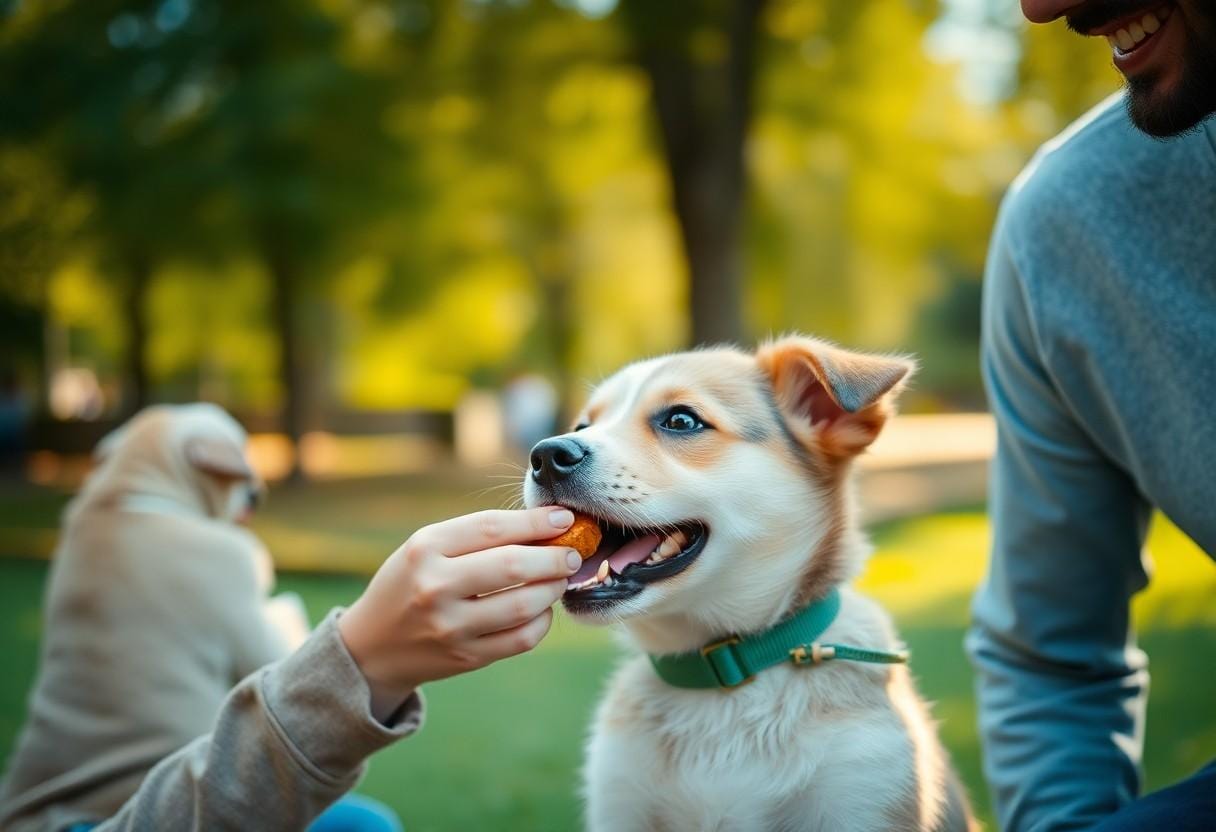
Positive reinforcement is a powerful tool for encouraging desirable behaviors in your dog. By rewarding your pet with treats, praise, or playtime when they exhibit good behavior, you help them associate positive actions with positive outcomes. This strengthens the bond you share and motivates them to display such behaviors more frequently.

Addressing Unwanted Behaviors

Positive methods can effectively tackle unwanted behaviors in your dog, such as barking or jumping up. Instead of punishment, focus on redirecting their energy towards acceptable actions. You can achieve this by offering alternatives or an appropriate outlet for their behavior.

Hence, addressing unwanted behaviors requires a thoughtful approach that prioritizes your dog’s emotional well-being. Use consistency and patience in your training. If your dog barks excessively, for example, distract them with a toy or redirect them to a command they already know. This teaches them that calm behavior results in positive attention. Additionally, monitoring their environment can help prevent triggers for negative behaviors. By employing these methods, you not only alleviate problematic behaviors but also foster a stronger bond with your dog.

Canine Cognition and Intelligence

Your dog’s cognitive abilities are truly remarkable, showcasing intelligence that often surprises owners. They are capable of learning and remembering commands, recognizing human emotions, and even understanding context. By understanding your dog’s cognitive capabilities, you can better engage them in stimulating activities that satisfy their mental needs, which in turn helps strengthen your bond.

Learning Styles and Processes

Canine learning styles are diverse, with dogs exhibiting preferences for visual, auditory, and tactile experiences. Understanding your dog’s unique learning process allows you to tailor training methods that resonate with their natural inclinations, leading to more effective communication and a happier, well-behaved pet.

Problem-Solving Abilities

Styles of problem-solving in canines are fascinating, as they often use a combination of instincts and learned behaviors to tackle challenges. Dogs can break down tasks and find solutions, whether it’s navigating obstacles, figuring out how to open doors, or even searching for hidden treats.

In fact, the ability of dogs to solve problems can be seen in various situations. Their intelligence enables them to adapt quickly, think critically, and make decisions based on their experiences. For instance, studies suggest that dogs can learn by observing human actions, showing a strong relationship between social learning and their problem-solving skills. This means that when presented with a challenge, dogs often utilize their emotional intelligence to gauge your reactions, leading to innovative solutions that suit both their interests and your expectations.

Understanding Dog Emotions

Many pet owners underestimate the emotional complexity of their dogs. Understanding dog emotions can enhance your bond by helping you recognize their needs and reactions more accurately. Dogs experience a wide range of feelings, from joy and excitement to fear and anxiety, which allows them to communicate effectively with you. By tuning in to their emotions, you can respond appropriately and create a harmonious environment for both of you.

Emotional Range and Expression

Understanding your dog’s emotional range and expression is key to fostering a positive relationship. Dogs exhibit various emotional states through body language, vocalizations, and behaviors. For instance, a wagging tail may indicate happiness, while a tucked tail can signify fear. By observing these signals, you can better interpret your dog’s feelings and respond accordingly.

Impact of Human Interaction

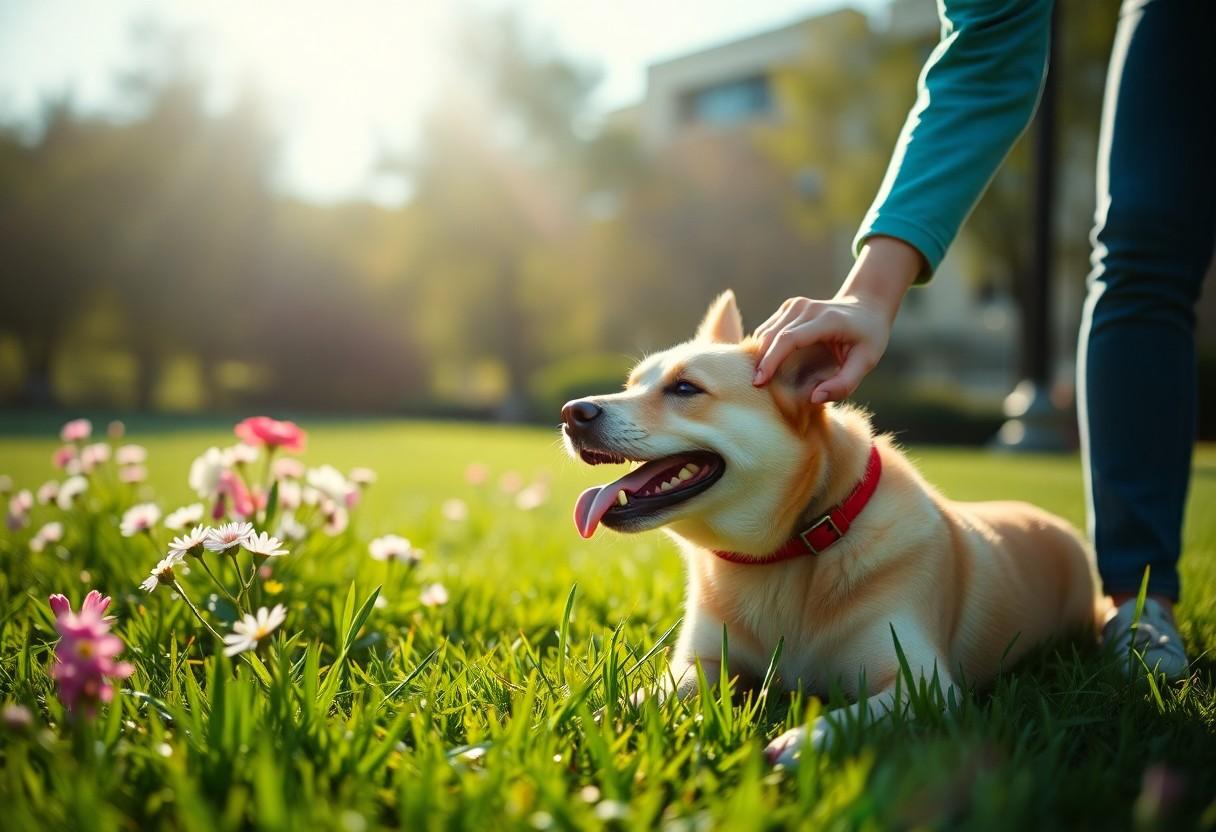
At the heart of a dog’s emotional well-being is the impact of human interaction. Your responses to your dog’s behavior can significantly influence their emotional state, shaping their trust and security levels. Positive interactions, such as gentle petting and verbal praise, can enhance their happiness, while negative experiences may lead to fear or anxiety.

It is important to ensure that your interactions remain positive and supportive. Avoid using harsh discipline, as it can contribute to anxiety and aggression. Instead, focus on positive reinforcement techniques to encourage desired behaviors. Engaging in activities with your dog, such as playtime or training sessions, can lead to a stronger bond and improve their overall emotional health. Your approach to communication and interaction plays a vital role in fostering a well-adjusted and emotionally stable companion.

Building a Strong Bond with Your Dog

Despite the challenges of communicating with your dog, establishing a strong bond is vital for their emotional well-being. A deep connection fosters trust and security, making it easier for you to understand their needs and behavioral cues. This bond enhances your ability to train effectively, reduces anxiety in your pet, and lays the foundation for a positive and fulfilling relationship. Through consistent interaction and mutual respect, you can cultivate a lasting companionship that benefits both you and your furry friend.

Trust-Building Exercises

Above all, engaging in trust-building exercises can significantly enhance your relationship with your dog. Activities such as gentle petting, consistent routines, and incorporating playtime encourage your dog to view you as a reliable and safe companion. These exercises create a sense of predictability, which helps your dog feel more secure and strengthens your bond.

Importance of Socialization

By providing your dog with opportunities for socialization, you equip them with the skills necessary for healthy interactions. Socialization exposes your pet to various environments, people, and other animals, which can help reduce fear-based behaviors and behavioral issues in the future. When dogs are well-socialized, they’re less likely to exhibit signs of aggression or anxiety, leading to a happier, more balanced life.

And the significance of socialization cannot be overstated. Dogs that lack proper socialization may experience increased levels of fear and aggression, which can result in negative encounters. By facilitating positive experiences with different people and environmental stimuli, you enable your dog to develop vital coping mechanisms. This, in turn, contributes to a more confident and well-adjusted pet, making outings less stressful for both of you. Ultimately, socialization fosters a sense of security that enhances your dog’s overall emotional and psychological health.

To wrap up

To wrap up, understanding dog behavior and psychology is vital for fostering a positive relationship with your canine companion. By learning to interpret their body language and emotions, you can address behavioral issues effectively and strengthen your bond. Embrace techniques for modifying unwanted behaviors while recognizing their cognitive abilities. This holistic approach not only enhances your dog’s well-being but also enriches your shared experiences, leading to a more harmonious life together.

puppy training

How Can You Foster A Resilient Bond When Training Your Puppy?

Foster a strong and lasting connection with your puppy by understanding the importance of positive reinforcement and consistency in your training approach. Patience is necessary, as well as recognizing each small success to build confidence in your pup. Avoid harsh methods that can lead to fear or anxiety, focusing instead

Read More »
dog anxiety

What Serene Practices Calm Your Distressed Dog?

There’s a growing concern among pet owners about the well-being of their furry companions, especially during stressful situations. If your dog displays signs of anxiety or distress, implementing serene practices can significantly improve their emotional state. Techniques such as calming exercises, positive reinforcement, and creating a safe space can help

Read More »
positive reinforcement

How Can Positive Reinforcement Unlock Your Puppy’s Potential?

Over time, implementing positive reinforcement in your training routine can significantly enhance your puppy’s behavior and learning capabilities. By rewarding desirable actions with treats, praise, or play, you encourage your puppy to repeat those behaviors, fostering a strong bond and mutual trust. Instead of using harsh methods that can lead

Read More »
stop dog barking

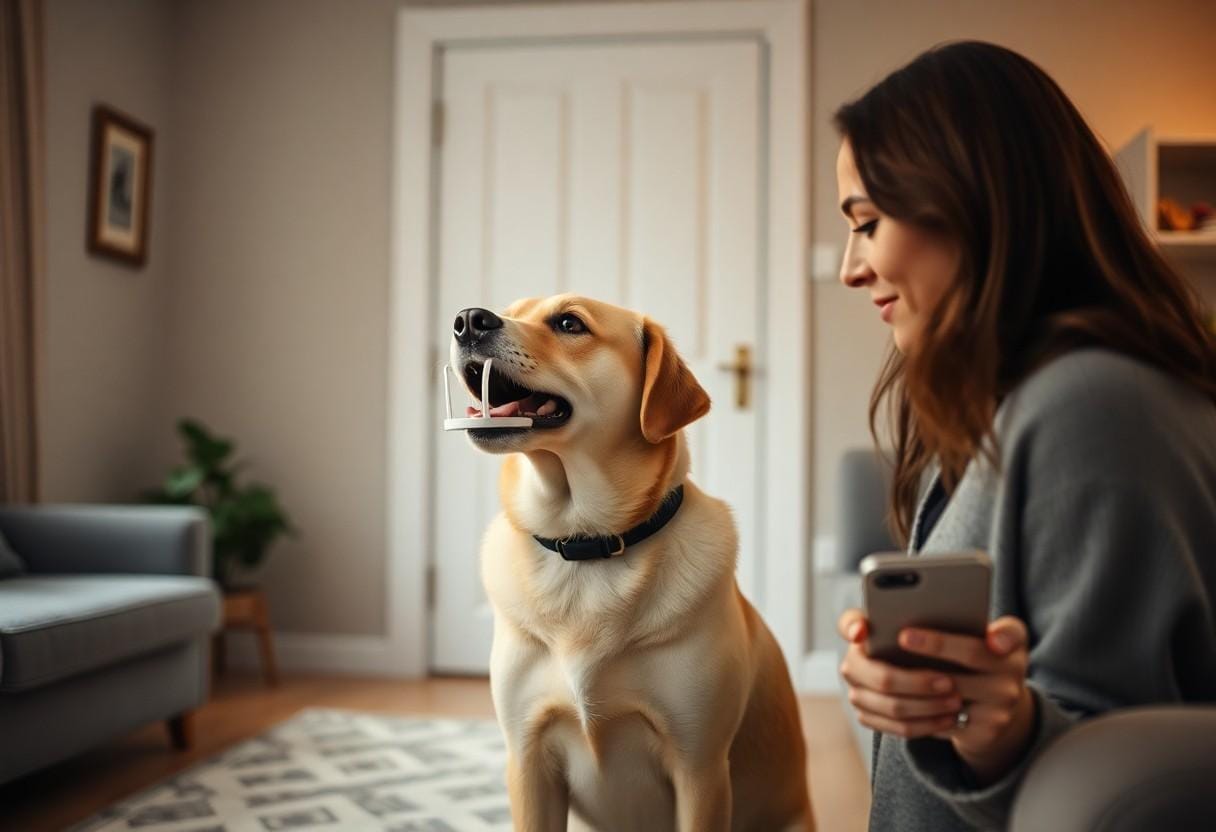
What Innovative Techniques Can Silence Your Barking Dog?

It’s common for dog owners to face the challenge of a barking dog, which can disrupt your household and irritate your neighbors. To help you regain your peace, this post will explore innovative techniques designed to curb excessive barking while enhancing your dog’s well-being. From training methods to technological solutions,

Read More »
In What Ways Do Dogs Cultivate Emotional Resilience In Humans

In What Ways Do Dogs Cultivate Emotional Resilience In Humans?

Dogs offer you more than companionship; they can significantly enhance your emotional resilience. Their unconditional love and loyalty provide a comforting presence during challenging times, encouraging you to face adversity with a more positive outlook. Interacting with dogs promotes the release of oxytocin, a hormone that helps reduce stress and

Read More »
How Can Behavioral Anomalies Affect Your Dog’s Eating Habits

How Can Behavioral Anomalies Affect Your Dog’s Eating Habits?

You may not realize it, but your dog’s behavioral anomalies can significantly influence their eating habits. Changes in behavior, such as anxiety, depression, or even medical issues, can lead to overeating or undereating, impacting their overall health. By understanding these behavioral shifts, you can help identify potential problems and adjust

Read More »
How Can Environmental Enrichment Augment Your Dog's Years

How Can Environmental Enrichment Augment Your Dog’s Years?

Enrichment activities can significantly improve your dog’s overall well-being and extend their lifespan. By incorporating various forms of mental and physical stimulation into their daily routine, you enhance their quality of life, which impacts their longevity. Engaging your dog in activities such as puzzle toys, scent games, and social interactions

Read More »
How Do Dogs Serve As Pillars Of Support In Our Mental Fortitude

How Do Dogs Serve As Pillars Of Support In Our Mental Fortitude?

Dogs offer unmatched companionship, providing you with emotional support that can significantly enhance your mental health. Their loyal presence not only helps to reduce feelings of loneliness but also encourages physical activity through regular walks and playtime. As you bond with your furry friend, you’ll likely find greater resilience in

Read More »
How Does Emotional Wellbeing Correlate With A Dog’s Lifespan

How Does Emotional Wellbeing Correlate With A Dog’s Lifespan?

Over the years, research has indicated a significant link between your dog’s emotional wellbeing and their overall lifespan. A happy and emotionally balanced dog tends to experience better health, reduced stress levels, and enhanced resilience against diseases. By investing time in understanding your dog’s emotional needs and providing a loving

Read More »