

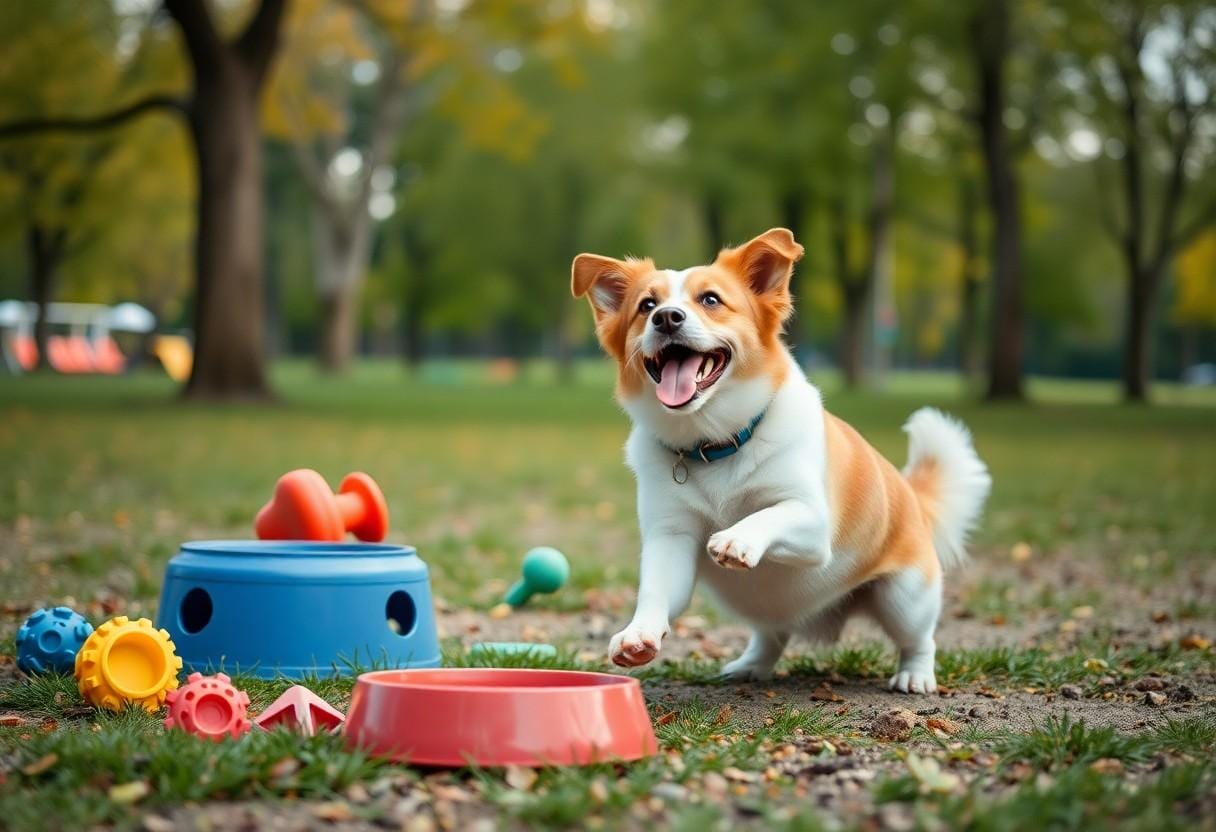

Most dog owners aspire to provide the best for their furry companions, yet many underestimate the importance of mental and physical stimulation. Enriching activities not only enhance your dog’s happiness but also promote better behavior and overall well-being. Engaging your canine with diverse challenges, from interactive toys to outdoor adventures, plays a vital role in keeping them healthy and reducing anxiety. This blog post will explore practical ways you can foster your dog’s happiness and health through enriching experiences.
Key Takeaways:
- Variety in Activities: Incorporate a mix of physical, mental, and social activities to engage your dog’s senses and keep them stimulated.
- Positive Reinforcement: Use rewards and praise during activities to create a fun and motivating environment for your dog.
- Interactive Toys: Provide toys that challenge your dog mentally, such as puzzle toys, to promote problem-solving skills and reduce boredom.
- Regular Exercise: Ensure daily walks and play sessions to maintain physical health and provide an outlet for energy release.
- Socialization Opportunities: Facilitate interactions with other dogs and people to improve your dog’s social skills and reduce anxiety.
Understanding Canine Well-Being
A comprehensive understanding of canine well-being involves addressing both the physical and emotional needs of your dog. Well-being encompasses not only a dog’s physical health but also their mental stimulation and emotional stability. By nurturing these aspects, you can significantly enhance your dog’s quality of life, creating a happier and healthier companion. Recognizing the unique requirements of your canine friend will guide you toward fostering an enriching environment.
Physical Health
By ensuring your dog engages in regular exercise, you promote their physical health. Daily walks, play sessions, and interactive games help maintain a healthy weight, enhance cardiovascular fitness, and strengthen muscles. Incorporating diverse activities into your routine can keep your dog physically fit and prevent obesity-related issues.
Emotional Health
Below the surface of physical care lies your dog’s emotional well-being. You must understand that dogs experience a range of emotions, including joy, fear, and anxiety. Providing a stable and loving environment not only reassures your pet but also fosters trust and security.
Understanding your dog’s emotional health involves being attentive to their behaviors and responses. Signs of distress or anxiety may manifest in various ways, such as excessive barking, pacing, or withdrawal. By actively engaging in positive reinforcement, you can help alleviate these issues and foster a strong bond with your dog. Furthermore, enriching their life with mental challenges and interactive toys can combat boredom and promote overall well-being. Take time to observe your dog’s needs and adjust your activities accordingly for an emotionally satisfying environment.
The Importance of Enrichment
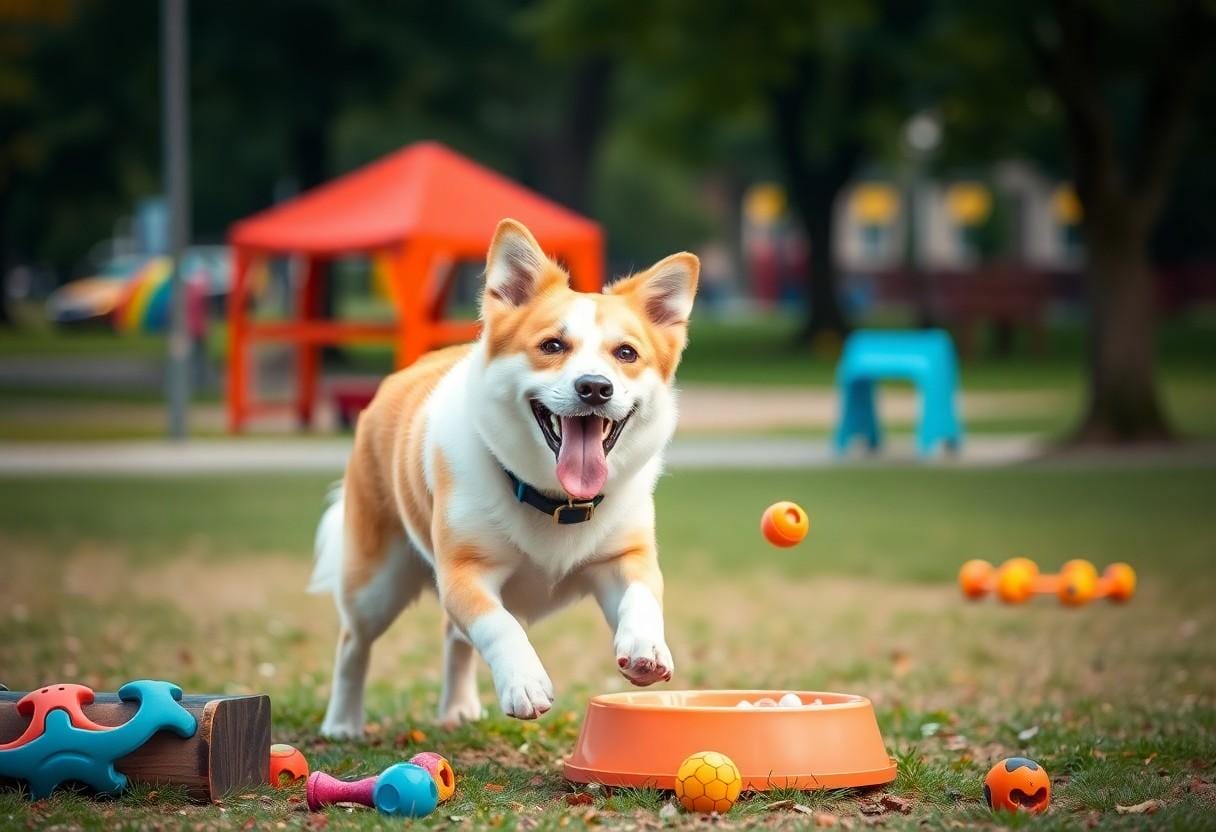
Clearly, enrichment is vital for your canine’s overall well-being. Without ample mental and physical stimulation, dogs can experience boredom, anxiety, and behavioral issues. By providing engaging activities, you not only keep your furry friend entertained but also promote a healthier, happier life. Recognizing the significance of enrichment can lead you to better understand your dog’s needs and learn how to meet them effectively.
Types of Enrichment
One effective way to enhance your dog’s quality of life is through various types of enrichment. These can be categorized as follows:
- Mental stimulation
- Physical activity
- Social interaction
- Environmental enrichment
- Training activities
After integrating these forms of enrichment into your dog’s routine, you’ll likely notice positive changes in their behavior.
Benefits of Enrichment Activities
Along with keeping your dog active, enrichment activities provide numerous other benefits that contribute to their overall happiness and well-being. These activities help to reduce anxiety, improve your dog’s cognitive abilities, and strengthen the bond between you and your pet.
Understanding the benefits of enrichment activities allows you to tailor your approach for your dog’s specific needs. Engaging in a well-rounded enrichment routine encourages positive behaviors, helps in preventing destructive actions, and promotes emotional stability. By actively providing a variety of stimulating experiences, you ensure your dog’s physical health while boosting their mental well-being, fostering a harmonious relationship. Prioritizing enrichment means investing in a happier, healthier life for your furry companion.
Interactive Play Activities
All dogs thrive on interactive play activities that challenge their minds and bodies. Engaging in these playful interactions not only strengthens your bond but also contributes to your dog’s overall happiness and health. Incorporate a variety of games into your routine to keep your canine companion stimulated and entertained.
Fetch and Retrieve Games
With fetch and retrieve games, you can provide your dog with an outlet for their natural instincts while promoting physical exercise. This simple yet effective activity encourages your dog to run and burn energy, which is crucial for their well-being. Use a favorite toy or a ball to make it even more exciting for your furry friend.
Puzzle Toys and Treat Dispensers
Interactive puzzle toys and treat dispensers can elevate playtime to a new level of engagement. These toys stimulate your dog’s cognitive abilities and provide motivation through the reward of treats, turning play into a problem-solving activity.
A variety of puzzle toys are available, designed to suit different skill levels and preferences. These toys can keep your dog entertained and mentally challenged for extended periods. Be cautious when selecting toys; ensure they are durable and safe to avoid any potential choking hazards or ingestion of small parts. The right choice can significantly enhance your dog’s play experience, promoting a positive mental state and reducing boredom-related behaviors.
Training and Mental Stimulation
Once again, engaging your dog in training sessions enhances their well-being by providing mental stimulation and strengthening your bond. Regular training not only helps in good behavior but also satisfies their natural instincts to learn and explore. By incorporating a variety of tasks and challenges, you keep your canine companion mentally agile and socially balanced, reminding them that learning is a fun and rewarding experience.
Obedience Training
On engaging your dog in obedience training, you establish a foundation of trust and communication. Teaching basic commands such as “sit,” “stay,” and “come” not only aids in their daily management but also fosters a sense of security. Your dog will feel more confident, knowing they can follow your cues, while you enjoy a more harmonious relationship.
Fun Tricks and Agility Training
For a more dynamic way to stimulate your dog’s mind, consider incorporating fun tricks and agility training. These activities allow your pet to express their physical abilities while enhancing their mental skills. You’ll find that these exercises not only help to improve their coordination but also make for fantastic bonding moments.
Further, engaging your dog in fun tricks and agility training provides an effective outlet for their physical energy and curiosity. Setting up an obstacle course with jumps, tunnels, and weave poles challenges their agility while teaching them new commands and cues. You can also teach tricks like rolling over or playing dead, which can be entertaining for both you and your dog. Importantly, these activities create a sense of accomplishment for your pet, boosting their confidence while helping to prevent behaviors such as boredom-induced mischief.
Socialization Opportunities
Now, providing your dog with socialization opportunities is imperative for their overall well-being. Engaging with other dogs and people will help them develop confidence, improve their behavior, and reduce anxiety. Incorporating social activities into your canine’s routine can foster positive interactions and create lasting friendships in a safe and controlled manner.
Group Play with Other Dogs
About arranging group play sessions with other dogs can greatly enhance your canine’s social skills. These interactions allow your dog to learn vital communication cues, engage in playful actions, and develop healthy relationships. When dogs play together, they exercise both their bodies and minds, resulting in a happier and more balanced pet.
Safe Exposure to New Environments
Beside group play, exposing your dog to new environments is equally important. Taking your canine on various outings enables them to experience different sights, sounds, and smells, enriching their world. This exposure can also contribute to their adaptability and confidence in new situations, making them more well-rounded companions.
Consequently, ensuring your dog experiences safe exposure to diverse environments is necessary for their growth. Start with short and gradual outings to places like parks, pet-friendly stores, or busy streets, allowing your dog to explore while monitoring their comfort. Always observe your dog’s body language; if they exhibit signs of distress, it’s important to remove them from the situation. Over time, these positive experiences will lead to a more confident and well-adjusted dog, ready to face new adventures.
Outdoor Exploration
Many pet owners underestimate the power of outdoor exploration in fostering a dog’s well-being. Engaging your canine in invigorating activities like hikes or nature walks not only boosts their physical health but also stimulates their mind.
Nature Walks and Hikes
Above all, nature walks and hikes provide an excellent opportunity for your dog to explore a variety of scents, sounds, and sights. These excursions help to satisfy their natural instincts, allowing them to engage with their surroundings and get the physical exercise they thrive on.
Beach and Water Activities
Above, consider the benefits of introducing your dog to beach and water activities. Dogs often find joy in splashing around and swimming, which is a great way to keep them cool and active while also enhancing their social skills.
Plus, exposing your dog to water activities promotes exercise and enhances bonding between you and your canine companion. Whether it’s fetching a ball at the beach or wading in a lake, these experiences build your dog’s confidence and boost their happiness. Just be cautious of strong currents or rough waters; keeping your dog safe while they enjoy the water is important. Always supervise your dog closely, ensuring they are comfortable and capable of swimming before swimming in deep areas.
Conclusion
Following this, you can significantly enhance your canine’s well-being by incorporating enriching activities into their daily routine. Engaging your dog in mental stimulation, physical exercise, and interactive play not only fosters their happiness but also strengthens your bond. Tailor activities to suit your dog’s personality and needs, ensuring they remain both challenged and fulfilled. With a little creativity and commitment, you can create a nurturing environment that promotes a healthy and joyful life for your furry companion.
FAQ
Q: What are some examples of enriching activities for my dog?
A: Enriching activities for dogs can include a variety of engaging options. Physical activities such as fetch, agility training, and long walks provide exercise and stimulate their minds. Interactive toys that dispense treats encourage problem-solving and keep them occupied. Providing scent work or nose games can greatly enhance their natural sniffing instincts. Additionally, social interactions with other dogs or humans can also enrich their experience, allowing for play and socialization.
Q: How often should I engage my dog in enriching activities?
A: The frequency of engaging your dog in enriching activities can depend on their age, breed, and energy level. Generally, offering at least one structured activity per day is beneficial. Younger or more energetic dogs might benefit from multiple sessions throughout the day, while older or less active dogs may require less frequent engagement. Pay attention to your dog’s behavior and mood to gauge how much stimulation they need.
Q: Are there specific toys that help with canine enrichment?
A: Yes, there are several types of toys designed to enhance enrichment for dogs. Puzzle toys that require dogs to figure out how to get treats out can stimulate their cognitive skills. Chew toys not only satisfy their natural chewing instincts but can also keep them busy for longer periods. Tug toys can promote interaction between you and your dog, fostering a strong bond while providing exercise. Always choose toys that are age-appropriate and safe for your dog’s size and chewing habits.
Q: How can I create a more enriching environment for my dog at home?
A: You can enhance your dog’s environment at home by providing a variety of stimuli. Incorporate different textures, sounds, and smells into your home environment. You can create a designated play area with toys and mats, or even a sensory garden with safe plants. Rotating toys periodically can help maintain interest and excitement. Alternatively, setting up fun obstacle courses or designated digging areas can provide both physical and mental challenges.
A: Socialization is a key aspect of a dog’s overall well-being. It helps dogs develop confidence and reduces fearfulness, making them more adaptable in different environments. Engaging your dog in social activities, such as group training classes or dog parks, allows them to interact with other dogs and people, which can be mentally stimulating. Positive social experiences contribute to their emotional health and decrease feelings of anxiety or loneliness.