

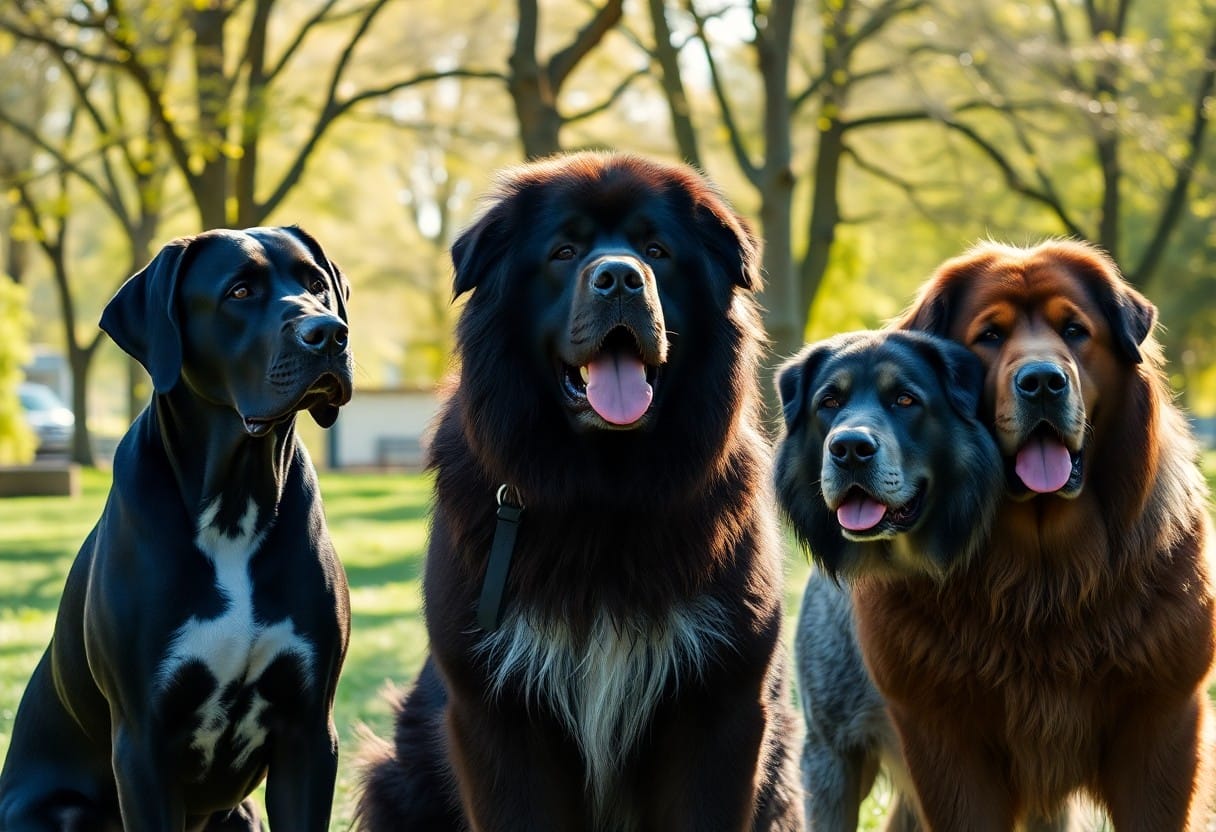

It’s important to recognize that large dog breeds can be gentle giants that offer love, loyalty, and companionship. In this guide, you will discover some of the best large dog breeds that not only exude a majestic presence but also demonstrate affectionate temperaments and impressive trainability. While these breeds may seem intimidating due to their size, many are perfect for families and individuals seeking a devoted and protective partner. Explore the remarkable characteristics that make these large dogs ideal for your home and lifestyle.
Key Takeaways:
- Temperament: Large dog breeds, often referred to as “gentle giants,” are known for their calm and friendly demeanor, making them excellent companions for families and individuals alike.
- Space Requirements: Due to their size, these breeds typically require more living space and outdoor areas for exercise, ensuring they remain happy and healthy.
- Training and Socialization: Early training and consistent socialization are necessary for large breeds to develop good manners and to integrate well into various environments.
Characteristics of Large Dog Breeds
A large dog breed brings an incredible mix of characteristics that set them apart from smaller breeds. These gentle giants typically have a striking presence with a higher tolerance for various environments. They often form deep bonds with their families, leading to loyalty and affection that is unmatched. Despite their imposing size, many large dogs are known for their calming demeanor, making them suitable companions for families, singles, or seniors alike.
Size and Weight Considerations
Between 50 to over 200 pounds, large dog breeds come in a range of sizes that require careful consideration when it comes to living space, exercise needs, and nutrition. As a new owner, you should ensure your living arrangements can accommodate your pet’s size comfortably.
Temperament and Behavior
Breeds like the Great Dane, Mastiff, and Newfoundland are known for their gentle nature. They often exhibit a laid-back attitude, making them excellent companions for families. While they may appear intimidating, their affectionate behavior and playful spirit can significantly enhance your home life.
Further, each breed possesses unique traits that contribute to its temperament. For instance, some large breeds may display a protective nature, ideal for guarding your home, while others are inherently sociable and thrive in busy environments. Understanding your specific breed’s behavior can create a harmonious living situation for both you and your dog.
Lifespan and Health Issues
Temperament has a significant impact on your dog’s lifespan and overall health. Larger dog breeds typically have shorter lifespans, averaging around 8 to 12 years. You might encounter breed-specific health issues, such as hip dysplasia or heart problems, which can affect their quality of life.
The importance of regular veterinary care cannot be overstated for large dog breeds. Being proactive about their health can help minimize potential health challenges. Providing a balanced diet, regular exercise, and routine check-ups can maximize your dog’s lifespan and ensure a happy, fulfilling life. Taking these steps can help you enjoy many happy years together with your gentle giant.
Popular Large Dog Breeds
Any dog lover searching for a gentle giant should consider some of the most popular large dog breeds. Each of these breeds offers unique characteristics and qualities that make them suitable companions for families and individuals alike.
Great Dane
Any discussion about large dog breeds wouldn’t be complete without the Great Dane. Known as the “Apollo of dogs,” this breed is admired for its impressive stature and affectionate nature. Great Danes are often gentle and make excellent family pets, despite their size.
Saint Bernard
Great companions, Saint Bernards are well-known for their friendly disposition and remarkable strength. Originally bred for rescue work in the Swiss Alps, these dogs have a gentle demeanor that makes them wonderful family pets. Their loyalty and protective instincts ensure your loved ones are safe and cared for.
Consequently, the Saint Bernard is a breed that commands attention due to its size and imposing presence, yet their loving temperament often surprises people. These dogs are typically great with children and other pets, creating a harmonious family environment. You can expect plenty of cuddles and a loyal protector in this breed.
Newfoundland
About Newfoundland dogs, their calm temperament and innate swimming abilities are well-known. Often referred to as “Newfies,” these dogs are not only large but also known for their gentle nature and strength. They are great swimmers and often assisted in lifesaving rescues at sea.
Also, you will appreciate how Newfoundland dogs are skilled water rescue dogs, thanks to their powerful build and webbed feet. These dogs thrive in family settings and develop strong bonds with children, making them ideal companions. Their friendly demeanor and patience can mark them as a part of your family in no time.
Mastiff
Against popular belief, the Mastiff is not only intimidating due to its size but also has a calm and gentle temperament. Known for being loyal, these dogs can be quite affectionate with their owners and are usually fantastic guardians of your home.
Large and imposing, a Mastiff can easily deter trespassers while ensuring the safety of your loved ones. You can expect these dogs to be highly devoted and protective. Their gentle giant nature often surprises people, revealing a soft-hearted side that loves to bask in your affection.
Gentle Giants: The Best Large Dog Breeds for Families
To find the perfect large dog breed for your family, consider the unique qualities of each breed. These gentle giants are known for their friendly demeanor, loyalty, and patience, making them excellent companions for families with children and other pets.
Labrador Retriever
Families love the Labrador Retriever for their friendly and outgoing nature. This breed is known for its incredible adaptability and gentle temperament, making them great playmates for children and a delightful addition to any household.
Golden Retriever
Along with their endearing personality, Golden Retrievers are incredibly intelligent and eager to please, which makes them easy to train and perfect for family activities.
Also, Golden Retrievers are highly social dogs that thrive on interaction, ensuring they become integral parts of your family. Their gentle nature and patience with kids make them ideal for family homes. With a love for outdoor adventures, these dogs enjoy playing fetch, going on hikes, and engaging in family games, ensuring your family stays active and bonded.
Bernese Mountain Dog
At the heart of family life, the Bernese Mountain Dog brings a calm and affectionate presence. They are known for their loving nature and protective instincts, making them wonderful companions for families.
Gentle by nature, Bernese Mountain Dogs are particularly good with children, offering both affection and a watchful eye. Their thick, beautiful coats make them visually striking, and their patient demeanor allows them to easily integrate into family life. You’ll find that these dogs are not just large in size; they have enormous love to give, ensuring that your family feels safe and cherished.
Irish Wolfhound
Beside their imposing stature, the Irish Wolfhound is remarkably gentle and a devoted family member. Known for their affectionate nature, they are surprisingly great with kids, providing a soft and loving presence in your home.
Hence, Irish Wolfhounds are renowned for their gentle demeanor, which contrasts with their large size. They have a calm and laid-back personality, making them perfect for families looking for a loving companion that won’t overwhelm their home. With proper socialization and training, these dogs become loyal protectors and gentle playmates, taking their role in your family very seriously.
Caring for Large Dog Breeds
Not all large dog breeds are the same, and understanding how to care for them is necessary for their well-being. Here are some key aspects to consider when it comes to nutrition, exercise, grooming, and training.
Nutrition and Diet
Below is a fundamental aspect of your large dog’s care. Providing a balanced diet that meets their specific needs is vital. High-quality dog food formulated for large breeds will help ensure that your dog receives the right balance of nutrients to support their growth and maintain a healthy weight.
Exercise Requirements
Against common belief, large breeds require an ample amount of exercise to stay healthy and happy. Regular walks, playtime, and mental stimulation are necessary components of their routine.
Consequently, you should aim for at least 1 to 2 hours of exercise each day. This can include brisk walks, hiking, or swimming, depending on your dog’s preferences. Engaging in these activities will help prevent obesity, which can lead to joint issues and other serious health problems.
Grooming Needs
Along with exercise, you’ll need to consider your large dog’s grooming requirements. Regular brushing and occasional baths are necessary to keep their coats healthy and manage shedding.
Nutrition plays an important role in your dog’s coat condition as well. A proper diet rich in omega fatty acids can enhance their coat’s shine and overall health. Moreover, don’t forget about nail trimming and dental care as part of their grooming routine to promote their well-being.
Training and Socialization
On a different note, training your large dog from an early age is vital for their safety and your peace of mind. Proper socialization helps them develop confidence and ensures they behave well in various environments.
Requirements for effective training include consistent routines and positive reinforcement techniques. Using treats and praise can motivate your large dog to learn new commands and appropriate behaviors. A well-trained dog not only enjoys a more harmonious life with you but also becomes a delight in public settings.
Health Considerations for Large Dog Breeds
Now, as you consider bringing a large dog breed into your home, it’s crucial to understand their specific health considerations to ensure you provide the best care possible.
Common Health Issues
After bringing a gentle giant into your life, be aware that large dog breeds are prone to certain health issues, including hip dysplasia, elbow dysplasia, and bloat. These conditions can lead to serious complications if left untreated, making it important to stay informed about your dog’s health needs.
Preventative Care and Vet Visits
After welcoming your large breed dog, prioritize a schedule for preventative care and regular vet visits. Establishing a relationship with a veterinarian knowledgeable about large breeds is crucial for monitoring and maintaining your dog’s health.
Hence, ensure you take your dog for annual examinations, maintain a vaccination schedule, and consider preventative screenings for common issues specific to large dogs. By doing so, you can catch potential health problems early, ultimately enhancing your dog’s quality of life and longevity.
Importance of Regular Exercise
Regular exercise is vital for the physical and mental health of your large dog breed. Engaging in daily activities will help maintain a healthy weight and reduce the risk of obesity-related issues.
Due to their size, large dogs often require more exercise than smaller breeds to stay fit and content. Incorporating daily walks, playtime, and stimulating activities will not only keep your dog healthy but will also strengthen the bond between you. Keeping your dog active prevents behavioral issues and promotes a balanced lifestyle.
Choosing the Right Large Dog Breed for Your Lifestyle
After evaluating the many wonderful large dog breeds available, it’s important to consider how a new canine companion will fit into your everyday life. You want to ensure that both you and your dog will thrive together, so assessing your personal circumstances is key.
Assessing Family Dynamics
Behind every successful dog ownership experience is a deep understanding of your family dynamics. Do you have young children, elderly relatives, or other pets in your household? Different large breeds interact with family members in various ways, and ensuring compatibility is vital to prevent any potential challenges.
Space and Living Arrangements
Below is a fundamental aspect to consider when choosing a large dog breed. Some breeds, like the Great Dane, require more room to move around comfortably, while others might adapt well to smaller spaces. Pay attention to your living situation, including any yard space you have, as this will impact your dog’s quality of life.
Further, ensuring you have ample space for your large dog is critical. If you live in a smaller apartment, breeds that are less energetic and enjoy lounging may be your best bet. Conversely, having a house with a large backyard will allow your dog the chance to exercise and play, which is important for larger breeds that need regular physical activity.
Time Commitment and Activity Level
Large dog breeds vary significantly in their energy levels and exercise needs. Large breeds are often active, requiring ample time for walks, play, and mental stimulation. Assess your daily routine to determine whether you can meet these needs.
In addition, consider how much time you can commit to your dog’s exercise. Some large breeds, like the Labrador Retriever, thrive with considerable daily physical activity, while others may be more content with moderate walks. Fulfilling their needs not only keeps your dog healthy but also helps strengthen your bond with them, leading to a happier home environment.
Conclusion
Now that you’ve explored the world of large dog breeds, you can appreciate the gentle giants that can become loving companions in your life. Whether you’re drawn to the majestic Great Dane or the loyal Newfoundland, each breed offers unique qualities that can enrich your home. By choosing the right large dog for you and understanding their needs, you’re set to nurture a rewarding relationship that exemplifies the beauty and joy of having a gentle giant by your side.
FAQ
Q: What are some characteristics of large dog breeds known as ‘Gentle Giants’?
A: ‘Gentle Giants’ are large dog breeds that are recognized for their friendly and calm demeanor. They often possess a patient and gentle disposition, making them great companions for families and individuals. These breeds tend to be loyal, affectionate, and sociable, exhibiting a strong bond with their human counterparts. Additionally, they usually get along well with children and other pets, making them excellent family dogs. However, their size can be intimidating, but their behavior often contradicts their stature, as they are typically loving and eager to please.
A: Socialization and training are key factors in helping your large dog become a well-behaved pet. Begin socializing your dog at a young age by exposing them to various people, environments, and other animals. Enrolling in obedience classes can provide both training and opportunities for social interaction. Regular exercise is also vital—daily walks, playtime, and even participation in dog sports can help manage their energy levels. Consistency in training, positive reinforcement, and rewarding good behavior will also contribute to their well-adjusted nature.
Q: What are the health considerations for owning a large dog breed?
A: Large dog breeds may have specific health concerns to be aware of, such as hip dysplasia, heart issues, and certain types of cancers. Regular veterinary check-ups are vital for early detection and management of these conditions. Proper nutrition is also important; large breeds require a balanced diet that supports their size and energy levels. Additionally, be cautious about exercise during hot weather, as large dogs can be prone to overheating. Maintaining a healthy weight and providing appropriate physical activity can help minimize the risk of health issues associated with larger breeds.