

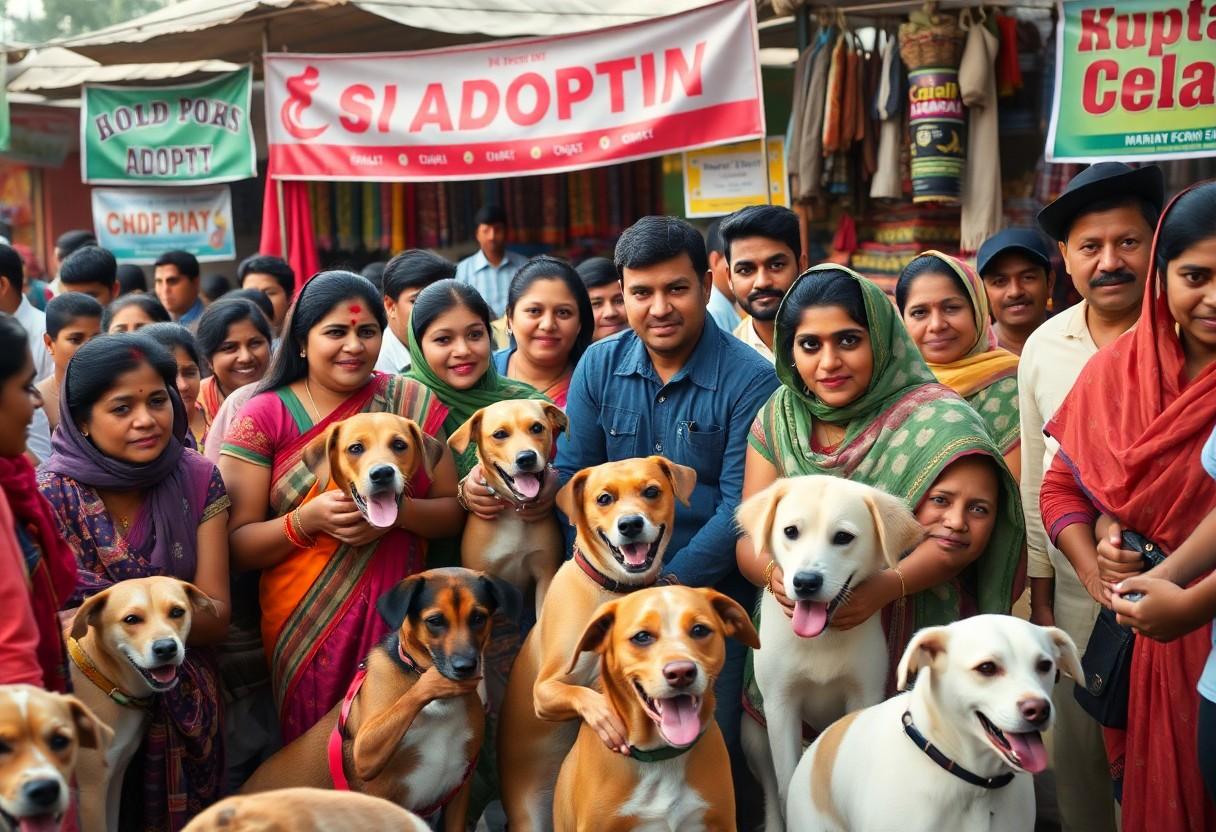
Altruism plays a significant role in shaping current dog adoption trends in India, where you may be witnessing a shift in societal attitudes towards strays and rescues. With more individuals understanding the importance of compassionate care for abandoned animals, adoption rates have surged in recent years. This movement, driven by a strong sense of responsibility and community engagement, may be changing the landscape of pet ownership in your locality. As you explore these trends, you’ll discover a growing network of advocates working tirelessly to promote the benefits of adopting rather than buying.
Key Takeaways:
- Increase in Awareness: There’s a growing understanding of the importance of pet adoption over purchasing from breeders, leading to more people considering adopting dogs.
- Community Initiatives: Numerous NGOs and local organizations are actively promoting dog adoption, which has contributed to rising adoption rates across India.
- Cultural Shift: Changing perceptions about stray dogs and the role of pets in family life are fostering a more supportive environment for dog adoption.
Understanding Altruism in Dog Adoption
The growing trend of dog adoption in India often intertwines with the concept of altruism. As potential pet owners become more aware of the plight of stray dogs, many choose to adopt rather than purchase. This shift reflects a deeper societal understanding of compassion and responsibility towards animals, fostering a culture where caring for strays is seen as a positive societal contribution.
Definitions and Theories of Altruism
An exploration of altruism reveals it as the selfless concern for the well-being of others, including animals. Theories surrounding altruism suggest that your motivations for adopting a dog may stem from a desire to improve the lives of these animals while also finding companionship. Understanding altruism helps you recognize the beautiful bond formed through adoption, where you benefit as much as the dog does.
Historical Context of Dog Adoption in India
An examination of the historical context surrounding dog adoption in India reveals significant transformations over the years. Initially, strays were often viewed with fear or indifference, leading to a general neglect of their welfare. However, with increased awareness of animal rights, movements advocating for dog adoption began to emerge, shifting your perspective along with societal norms.
Further historical exploration highlights how cultural shifts and educational initiatives have led to a more compassionate view towards animals. The rise of adoption campaigns and workshops has played a pivotal role in changing your perception of stray dogs. Today, many non-profit organizations are actively working to illustrate the importance of adoption over purchasing pets. This growing movement emphasizes not only the positive impact of adopting strays but also your responsibility as a pet owner to raise awareness about animal welfare.
Impact of Social Movements on Adoption Trends
You may have noticed a significant shift in dog adoption trends in India, influenced heavily by social movements advocating for animal rights and welfare. These movements aim to raise awareness about the plight of stray dogs and encourage responsible pet ownership. As a result, your perception of dog adoption is likely to be shaped by these collective efforts, creating a more positive environment for adoption and fostering a sense of community among dog lovers.
Grassroots Organizations and Their Roles
Adoption initiatives led by grassroots organizations play a vital role in promoting dog adoption. These organizations often operate at the community level, working tirelessly to rescue, rehabilitate, and rehome stray and abandoned dogs. By organizing awareness campaigns and fostering partnerships with local veterinarians, they not only facilitate successful adoptions but also educate the public about the importance of adoption over purchasing pets.
Online Campaigns and Social Media Influence
Organizations harness the power of social media to amplify their adoption campaigns, reaching wider audiences than ever before. Through compelling stories, eye-catching images, and engaging videos, they share the experiences of rescued dogs and the joy they bring to new families. This online presence is fundamental in shaping public attitudes, as positive narratives encourage potential adopters to consider giving a stray dog a loving home, thereby fostering a culture of adoption.
Trends in online campaigns show a remarkable shift towards community-driven storytelling that highlights the personal connection between adopters and their dogs. By utilizing platforms like Instagram and Facebook, these campaigns can draw attention to the urgent need for adoption while also providing successful rescue stories that inspire others to act. Moreover, viral challenges and hashtags encourage user-generated content, creating a ripple effect that magnifies the movement’s reach. As a result, the potential for increasing dog adoption rates is significant, yet presents the challenge of ensuring that the messages conveyed remain both authentic and responsible.
Cultural Perspectives on Dog Ownership
Keep in mind that dog ownership in India is deeply rooted in cultural norms and values. Historically, dogs were viewed primarily as working animals, often used for herding or guarding. Nowadays, there is a growing shift where dogs are increasingly regarded as family members, shaping the dynamics of pet ownership and adoption within your community. This evolving perspective reflects larger trends towards empathy and companionship, influencing how society perceives pets and their roles in everyday life.
Changing Attitudes Toward Stray Dogs
Stray dogs, once seen merely as a nuisance, are now garnering more empathy and compassion from the public. Many individuals and organizations are advocating for the welfare of these animals, leading to community initiatives aimed at feeding, sheltering, and adopting stray dogs. As attitudes shift, you may notice an increase in programs that focus on rescuing strays, promoting awareness, and fostering a sense of responsibility towards these animals.
Importance of Breeds vs. Mixed-Breed Adoption
Importance lies in understanding the varying perceptions around breed-specific dogs and mixed-breeds. While pure breeds often attract potential adopters due to their lineage and predictability in traits, mixed-breeds are celebrated for their diverse characteristics and adaptability. You should consider that adopting a mixed-breed dog not only helps to reduce the population of strays but also often leads to healthier, more resilient companions.
Breeds hold a significant status in dog adoption, often swaying your decisions when choosing a pet. While pedigree dogs are sought for their predictable traits, mixed-breeds are often overlooked despite their potential for healthier genetics and unique personalities. Adopting mixed-breed dogs can provide a sense of fulfillment as you contribute to reducing the population of strays and offer homes to animals in need. Plus, embracing a mixed-breed companion allows you to experience the joy of varied traits and characteristics that come with diverse lineage, making them exceptional pets.
Legislation and Government Initiatives
Unlike many countries where dog adoption is often spurred by grassroots movements, India’s government initiatives are progressively shaping the landscape of pet adoption. A myriad of legislative measures aims to protect animal rights, promote adoption, and reduce stray populations, indicating a shift toward a more responsible and humane approach to pet ownership.
Animal Welfare Laws in India
Laws pertaining to animal welfare in India, such as the Prevention of Cruelty to Animals Act, are foundational in promoting humane treatment of dogs and other animals. These regulations enforce standards for care and protection, providing the framework which supports the country’s growing dog adoption trend.
Government Support for Adoption Programs
An increasing number of government initiatives are designed to support dog adoption programs across India. This support ranges from financial backing for NGOs to community awareness campaigns, actively encouraging more families to adopt dogs instead of purchasing them.
For instance, local governments often collaborate with animal welfare organizations to host adoption drives and vaccination camps. By providing free or subsidized veterinary services and creating public awareness campaigns, they aim to foster a culture that values adoption over irresponsible breeding. These initiatives not only enhance the welfare of stray dogs but also help you make informed decisions about pet ownership, ultimately leading to a healthier adoption ecosystem in your community.
Challenges Facing Dog Adoption Efforts
Once again, dog adoption efforts encounter several challenges that hinder progress in giving strays a loving home. The societal stigma surrounding stray dogs often deters potential adopters, while a lack of resources and adequate support systems for shelters limits their capability to care for and rehome these animals. To make a significant impact, addressing these challenges is imperative for creating a more supportive environment for dog adoption in India.
Prejudice Against Strays
Prejudice against strays significantly impacts their chances of finding a loving home. Many people associate street dogs with disease, aggression, and lack of training. This perspective fosters a culture of fear and misunderstanding, preventing you from considering these dogs as potential companions. By challenging these misconceptions and advocating for the worthiness of strays, you can help pave the way for more successful adoptions.
Resource Limitations for Shelters
Resource limitations for shelters pose significant barriers to successful dog adoption initiatives. Without adequate funds, adequate staff, and proper facilities, these shelters struggle to care for the animals in their custody. Furthermore, the lack of financial support often leads to poorer living conditions for dogs, affecting their health and adoptability. Overcrowded facilities can lead to increased stress among animals, making it difficult for you to find a well-adjusted companion.
Further compounding these issues, many shelters operate on minimal budgets, which limit their ability to provide imperative services such as medical care, training, and even basic nutrition for dogs. Inadequate staffing often results in increased workload, leading to burnout and high turnover rates. When shelters struggle to maintain high standards, the overall health of the dogs deteriorates, making it less appealing for you to adopt. Investing in adequate resources and support for these facilities is vital if you want to ensure that dogs receive the care they need to become suitable, loving pets.
Success Stories and Case Studies
Now, several remarkable case studies highlight the growing trend of dog adoption in India, showcasing a significant shift in public perception and action:
- In 2018, a campaign in Mumbai resulted in over 2,000 dogs adopted within three months.
- Delhi’s initiative, “Adopt, Don’t Shop,” saw 1,500 dogs finding loving homes in just six months.
- A Bangalore shelter reported a 50% increase in adoptions from 2019 to 2022, reflecting changing attitudes.
- Adoption drives at colleges across India engaged over 10,000 students, promoting responsible pet ownership.
Notable Adoption Drives
By organizing impactful events and campaigns, numerous organizations have successfully promoted dog adoption in India. For instance, the “Paw-sitive Change” drive in Chennai brought together local communities, resulting in the adoption of over 300 dogs in a single weekend.
Impact on Communities and Individuals
Drives such as these can significantly transform lives. Your involvement in dog adoption not only enhances the lives of animals but also positively influences your community. Studies reveal that adopting dogs can lead to lower stress levels, improved mental health, and increased social interactions among pet owners, creating a more supportive and engaged community.
Adoption opens the door to building relationships, fostering empathy, and reducing the overpopulation of strays. When you adopt, you combat issues like neglect and animal abuse, contributing to a safer environment. Also, every successful adoption story boosts awareness about responsible pet ownership, encouraging others to follow suit and participate in a movement that is both impactful and profound.
Conclusion
The growing trend of dog adoption in India reflects a significant shift in societal attitudes towards pet ownership, driven by a burgeoning altruistic movement. You may find that various organizations and individuals are increasingly advocating for the welfare of stray animals, influencing your perception of adoption as a responsible choice. This evolution not only enhances the lives of countless dogs but also enriches your own experience as a pet owner. Embracing this movement can lead to positive changes in your community, fostering a more compassionate society for all living beings.
Q: What factors are contributing to the increase in dog adoption rates in India?
A: Several factors are influencing the rising trend of dog adoption in India. Firstly, awareness campaigns conducted by animal welfare organizations have played a significant role in educating the public about the importance of adopting dogs rather than buying them. Secondly, social media platforms have allowed advocates to share success stories of rescued dogs, inspiring potential adopters. Additionally, the growing recognition of dogs as family members and companions, rather than just pets, has encouraged people to provide shelter to abandoned or stray dogs.
Q: Are there specific organizations or movements promoting dog adoption in India?
A: Yes, numerous organizations and movements are dedicated to promoting dog adoption across India. Notable organizations include the Animal Welfare Board of India (AWBI), PETA India, and several local shelters and rescue groups. These organizations often host adoption drives, conduct educational workshops, and collaborate with influencers to spread the message of adopting pets. Their initiatives aim to reduce the stray dog population and improve the lives of both animals and humans through responsible adoption practices.
Q: How does the altruistic movement for dog adoption reflect broader societal changes in India?
A: The altruistic movement for dog adoption in India reflects broader societal changes, including increasing empathy towards animals and a shift in cultural attitudes. As urbanization progresses and living conditions improve, more people are willing to prioritize animal welfare. The trend also aligns with growing environmental and social consciousness among young adults, who are more likely to support causes that promote kindness and compassion. This cultural shift towards responsibility, and awareness signifies a transformative period in how society perceives and cares for animals.