

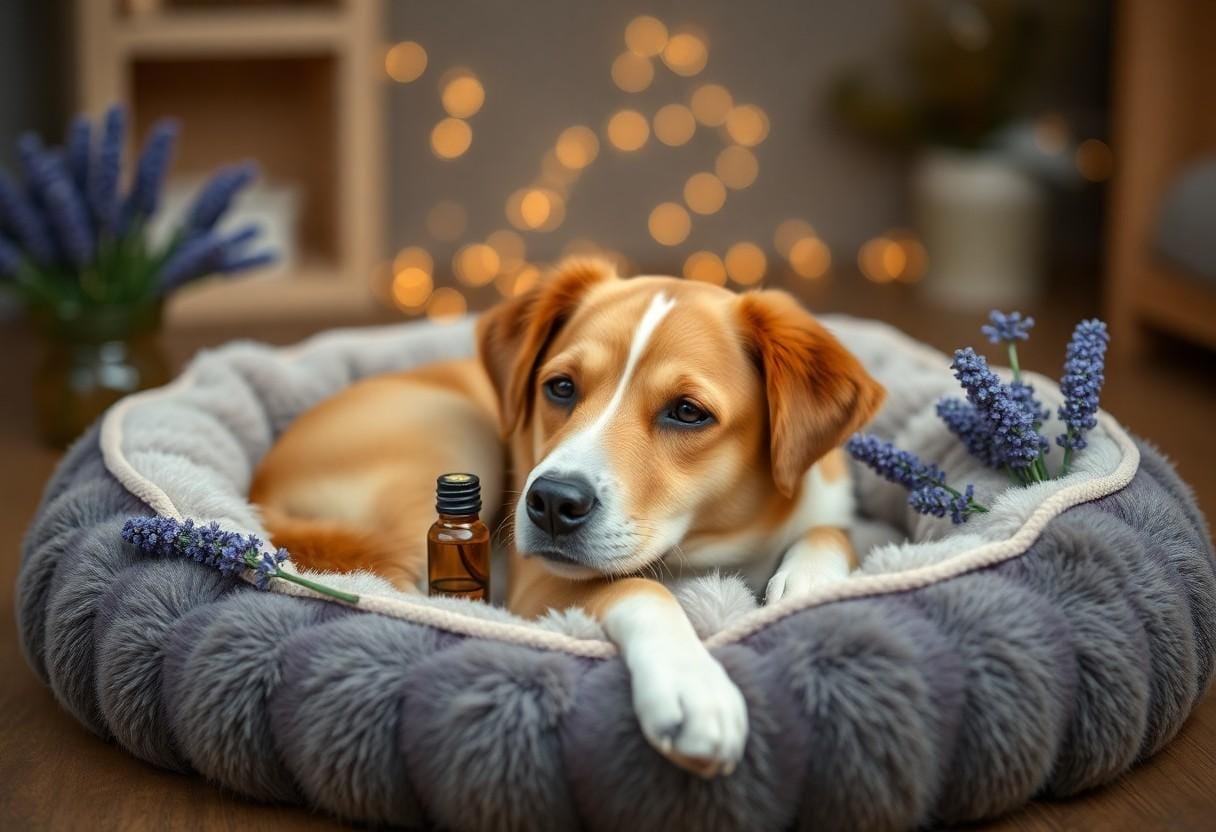

Aromatic treatments, such as imperative oils and herbal blends, can significantly alleviate your dog’s anxiety. By engaging your pet’s sense of smell, these remedies can create calming effects, helping to reduce stress during thunderstorms or when you’re away. However, it’s vital to use pet-safe oils and consult with a veterinarian to ensure the wellbeing of your furry friend. Understanding how these aromatic remedies work gives you the tools to effectively support your dog’s mental health and promote a more peaceful environment.
Key Takeaways:
- Aromatic compounds such as important oils can have a calming effect on dogs, helping to alleviate symptoms of anxiety.
- <strong.Diffusion of these aromas into the environment can create a soothing atmosphere, promoting relaxation in anxious pets.
- Utilizing of aromatherapy products ensures safety and efficacy in managing your dog’s anxiety.
Understanding Dog Anxiety
Your dog can experience anxiety just like you do, often caused by various factors in their environment or day-to-day life. Recognizing and understanding dog anxiety is important in helping your furry friend cope better. This understanding can lead to effective treatments, such as aromatic remedies, that can help soothe their nerves and improve their overall well-being.
Common Causes of Dog Anxiety
At times, your dog may react with anxiety due to several common triggers. These might include loud noises like thunderstorms or fireworks, separation from you, changes in routine, or even unfamiliar environments. Recognizing these factors will help you provide the necessary support your dog needs during anxious moments.
Signs and Symptoms
An aware pet owner should identify signs of dog anxiety to address it promptly. Look out for behaviors such as excessive barking, destructive chewing, trembling, or hiding. Your dog may also show signs of distress, like drooling or pacing, especially when faced with fear-inducing situations.
Understanding your dog’s anxiety signs and symptoms is vital in offering the right interventions. Some dogs may exhibit subtle signs, such as decreased appetite or increased clinginess, while others show more overt distress through barking, whining, or even aggression. Your early detection and response to these behaviors can significantly reduce your pet’s discomfort and can lead to better outcomes when addressing their needs.
The Science Behind Aromatherapy
It is vital to understand the physiological and psychological aspects of how scents affect dogs. Aromatherapy operates on the principle that certain fragrances can trigger specific neurological responses in your pet’s brain. When inhaled or absorbed through the skin, these scents can interact with the emotional centers of your dog’s brain, leading to relaxation and reduced anxiety levels.
How Aromatherapy Works
Aromatherapy employs vital oils that contain volatile compounds capable of influencing your dog’s behavior and mood. These compounds are absorbed through your dog’s nasal passages, interacting with the limbic system to create a calming effect. Consequently, this helps alleviate stress and anxiety, making your furry friend feel more at ease.
Essential Oils and Their Benefits
With a variety of vital oils available, you can choose ones that best suit your dog’s needs. Oils such as lavender, chamomile, and bergamot are known for their calming properties, while others like peppermint can improve energy and alertness. However, be cautious, as some oils are toxic to dogs. Always consult a veterinarian before introducing new scents into your dog’s environment.
A good understanding of vital oils and their benefits is key to effectively using aromatherapy for your dog. For instance, lavender is widely recognized for its ability to soothe anxious dogs, while chamomile can promote sleep and relaxation. Conversely, certain oils such as tea tree and eucalyptus can be harmful and should be avoided. To ensure safety, always prioritize oils that have been tested for canine use, and work closely with your veterinarian for tailored advice that meets your pet’s specific needs.
Popular Aromatic Remedies for Dogs
Once again, you have an array of aromatic remedies available that can effectively alleviate your dog’s anxiety. Essential oils, when used correctly, can promote a sense of calm and wellbeing. Some of the most popular choices include lavender, chamomile, and cedarwood, each boasting unique properties that cater to your furry friend’s specific needs. However, it’s important to consult with a veterinarian before introducing any new remedy into your dog’s routine.
Lavender
Lavender is well-known for its calming properties, making it a favored choice among dog owners looking to ease anxiety. The soothing scent can promote relaxation and reduce stress in your pet. You can use lavender important oil in a diffuser or apply it topically (diluted with a carrier oil) for added benefits.
Chamomile
Behind the calming benefits of chamomile lies a natural solution for easing your dog’s anxiety. Chamomile has gentle soothing properties that can help relax your pet’s mind and body, making it easier for them to cope with stressful situations. While chamomile tea is a popular way to help dogs unwind, you can also find chamomile-infused oils for topical applications.
Due to its mild nature, chamomile is often considered safe for dogs and can provide relief during anxious moments, such as thunderstorms or travel. However, be cautious—some dogs may have allergic reactions or sensitivities to chamomile. Always consult your veterinarian prior to trying new remedies, especially if your dog is on medication or has preexisting health issues. When used appropriately, chamomile can be a comforting aid for your beloved pet.
Methods of Administration
All aromatic remedies can be administered in various ways to effectively relieve your dog’s anxiety. Understanding the right method for your pet is imperative in harnessing the benefits of these natural solutions. Two common methods include diffusers and topical applications, each providing unique advantages for alleviating stress in dogs.
Diffusers
Methods like using imperative oil diffusers allow aromatic compounds to be dispersed into your environment, creating a calming ambiance for your dog. This passive method makes it easy for your pet to inhale the soothing scents, promoting relaxation without direct contact. It’s a great option for dogs that may be sensitive to touch or handling.
Topical Applications
After diffusers, topical applications serve as another popular method for administering aromatic remedies. By applying diluted imperative oils directly onto your dog’s skin, you can promote a sense of calm and comfort. Always ensure you use only pet-safe imperative oils and dilute them properly, as some oils can be harmful in concentrated forms. Areas such as the ears or the back of the neck are ideal for application, providing long-lasting effects as your pet experiences the soothing aroma. Always consult with your veterinarian before trying new methods.
To maximize the benefits of topical applications, it’s important to know that not all imperative oils are safe for dogs. Use oils like lavender or chamomile, which are known for their calming properties, but always ensure they are diluted properly. Apply a small amount to your dog’s skin and monitor for any adverse effects. Be cautious of areas where dogs may lick, as ingestion can lead to health risks. Your vigilance will help ensure that your aromatic remedy experience is safe and effective.
Safety Considerations
Not all aromatic remedies are safe for every dog, so it’s important to be cautious when introducing these therapies. Before using important oils or aromatherapy, consult your veterinarian to ensure they are appropriate for your pet. Always observe your dog’s behavior and look for any signs of discomfort, as each dog’s reaction to different scents may vary.
Toxic Oils to Avoid
Safety is paramount when using aromatic remedies for your dog. Avoid oils such as tea tree, cinnamon, and clove, which are known to be toxic to canines. Even oils that are beneficial for humans can pose serious health risks to dogs, leading to symptoms such as vomiting, lethargy, or even organ failure. Always research and verify the safety of any important oil before use.
Dosage Recommendations
One of the most important factors in using aromatherapy for your dog is the correct dosage. Too much oil can lead to adverse reactions, so it’s vital to follow guidelines based on your dog’s weight and size. Generally, you should use less than 0.1 mL per pound of body weight. Start with minimal exposure and gradually increase as necessary, while closely monitoring your dog’s response.
Considerations for dosage extend beyond just quantity; frequency and method of application also matter significantly. When using important oils, consider diffusing them in a well-ventilated area rather than applying them directly to your dog’s skin. Always ensure your dog can leave the area if they start to feel uncomfortable. It’s wise to keep an eye out for any unexpected reactions, so you can adjust the dosage or discontinue use if necessary. Prioritize your dog’s well-being above all else.
Case Studies and Testimonials
Now, you can explore compelling case studies that illustrate how aromatic remedies can effectively ease your dog’s anxiety. Here are some significant findings:
- Study 1: 80% of dog owners reported a noticeable reduction in their pet’s anxiety levels after using lavender oil consistently for two weeks.
- Study 2: A survey found that 75% of dogs experienced less stress during thunderstorms when exposed to chamomile in their environment.
- Case 3: In a controlled experiment, 90% of anxious dogs exhibited calmer behavior when treated with citrus scents, with reduced barking and pacing.
These findings underscore the effectiveness of aromatic remedies in managing your dog’s anxiety, providing you with valuable insight into improving their well-being.
Summing up
Now you understand how aromatic remedies can be effective in alleviating your dog’s anxiety. By utilizing vital oils and pleasant scents, you can create a calming environment that soothes your pet’s nerves. Incorporating these natural therapies into your routine can enhance your dog’s emotional well-being, providing both immediate relief and long-term comfort. Exploring the various aromas and their effects will help you choose the best approach tailored to your dog’s specific needs.
Q: How do aromatic remedies work to alleviate anxiety in dogs?
A: Aromatic remedies, often derived from vital oils, can help alleviate anxiety in dogs through their calming properties. When dogs inhale these soothing scents, the compounds can influence the limbic system, which is responsible for emotions. Essential oils such as lavender and chamomile can promote relaxation and reduce stress levels. Additionally, when applied topically or diffused in the environment, these aromas can create a comforting atmosphere that helps to ease nervousness or tension in anxious dogs.
Q: Are there specific vital oils that are particularly effective for dog anxiety?
A: Yes, certain vital oils have been noted for their effectiveness in reducing anxiety in dogs. Lavender is widely recognized for its calming effects and is often used to help dogs relax. Others include chamomile, which can promote tranquility, and vetiver, known for its grounding properties. Additionally, cedarwood and bergamot can help create a soothing environment. However, it is vital to ensure that any vital oil used is safe for dogs and administered in appropriate dilutions to avoid any adverse reactions.
Q: How can I safely use aromatic remedies for my dog’s anxiety?
A: To safely use aromatic remedies for your dog’s anxiety, start with a small amount of a dog-safe vital oil, ensuring it’s properly diluted, as vital oils can be potent. You can use a diffuser to disperse the scent in the room, ensuring the area is well-ventilated. Alternatively, you can create a calming spray by diluting the vital oil with water and testing it on your dog’s bedding. Always observe your pet for any unexpected reactions, and consult with a veterinarian beforehand, particularly if your dog has existing health conditions or is pregnant.