

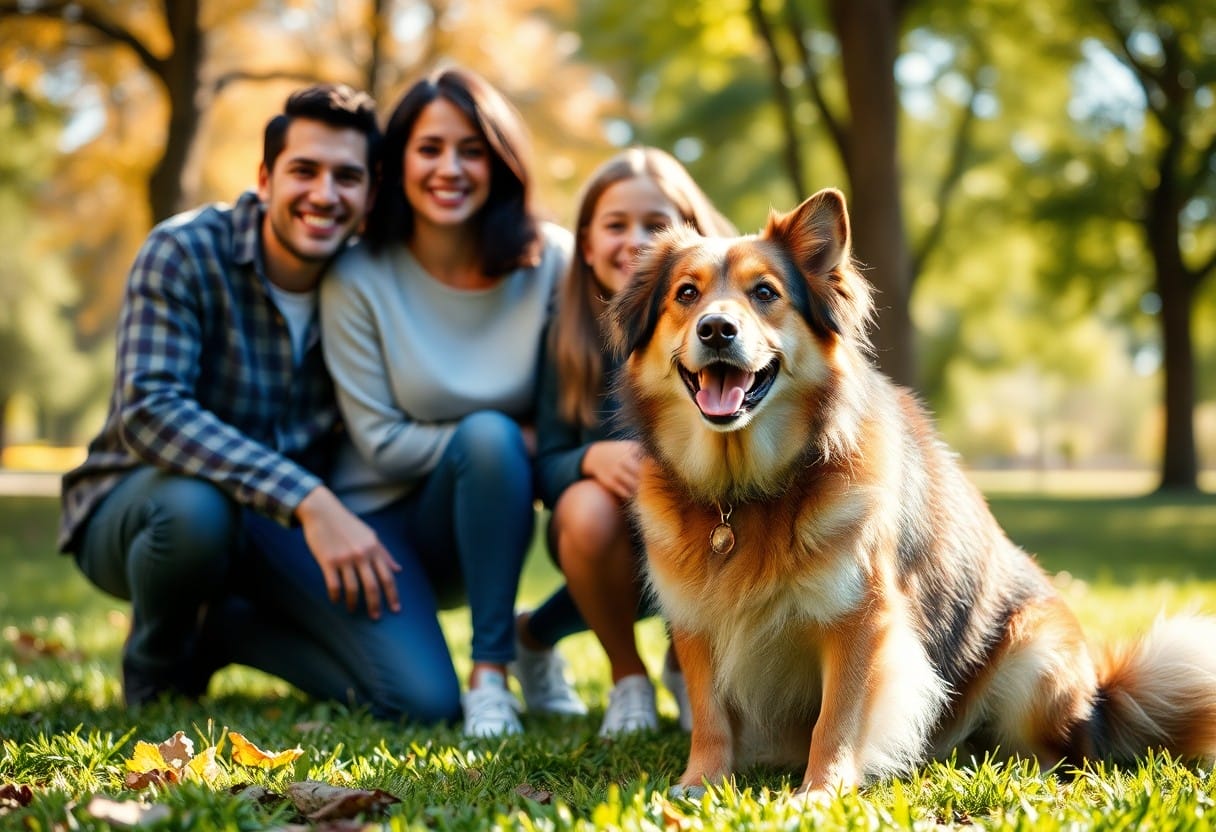

With the decision to adopt a rescue dog, you open your heart and home to a loyal companion in need. Not only does adopting save a life, but it also brings immense joy and unconditional love into your life. These dogs often come with unique personalities and challenges, yet the rewards of their companionship far outweigh any initial hurdles. You will discover the gratitude of your furry friend as they thrive in your care, reminding you daily of the impact of your choice in transforming a life and making your own richer.
Key Takeaways:
- Companionship: Adopting a rescue dog provides loyal companionship, helping to reduce feelings of loneliness and depression.
- Saving Lives: By choosing a rescue dog, you are giving an animal a second chance at life and contributing to the fight against animal neglect and homelessness.
- Unconditional Love: Rescue dogs often show immense gratitude and loyalty, forming deep emotional bonds with their new families.
Understanding Rescue Dogs
What is a Rescue Dog?
Before submerging into the joys of adopting a rescue dog, it’s necessary to understand what a rescue dog is. A rescue dog refers to a dog that has been saved from a difficult situation, such as neglect, abandonment, or an overcrowded shelter. These dogs often come from various backgrounds and deserve a loving home where they can thrive.
The Importance of Adoption
Across the globe, millions of dogs find themselves in shelters or on the streets, waiting for someone like you to give them a chance. By adopting a rescue dog, you not only provide a permanent home but also help reduce the number of animals facing euthanasia. Your decision can change a life and promote a more compassionate world.
Understanding the impact of your choice is vital. When you adopt, you’re saying ‘yes’ to a loving companion and ‘no’ to the cycle of overpopulation that leads many dogs to a tragic fate. Each dog you rescue represents a new beginning, offering you the chance to experience the unconditional love and loyalty they have to offer.
Common Myths About Rescue Dogs
Across numerous conversations, you may encounter some prevailing myths about rescue dogs. These myths often discourage potential adopters by painting rescue dogs as problematic or undesirable. However, it’s necessary to look beyond these misconceptions and understand the truth behind these amazing animals.
It’s important to challenge these myths. For instance, many believe that rescue dogs are all aggressive, untrainable, or carry emotional baggage. In reality, many rescue dogs are sweet, well-adjusted, and ready for loving homes. Every dog is an individual, and with patience and love, your rescue dog can flourish and become an integral part of your family.
The Benefits of Adopting a Rescue Dog
One of the most rewarding decisions you can make is to adopt a rescue dog, and the benefits go far beyond simply gaining a furry friend. Not only do you provide a loving home for a dog in need, but you also experience numerous advantages that improve both your life and the life of your new companion.
Saving a Life
Below the surface of adopting a rescue dog lies the profound impact you have on an animal’s life. Every year, millions of dogs end up in shelters due to various unfortunate circumstances. By choosing to adopt, you are directly saving a life and giving a deserving animal a second chance at happiness.
Companionship and Emotional Support
Beside offering unconditional love, a rescue dog provides you with a loyal companion. This bond can significantly enhance your quality of life by reducing feelings of loneliness and anxiety. Rescue dogs often have unique personalities that can bring joy and laughter to your everyday life.
Benefits of having a rescue dog extend into emotional support, often helping you cope with life’s challenges. Their intuitive nature allows them to sense your feelings, offering comfort during tough times. The simple act of petting your dog can release endorphins, contributing to your overall well-being and happiness.
Cost-Effectiveness Compared to Buying a Dog
Support your financial goals by adopting a rescue dog instead of purchasing from a breeder. While prices may vary, adoption fees are typically lower, and many rescue organizations include vaccinations, spaying/neutering, and microchipping, making it a much more economical choice. Here’s a breakdown:
Cost Comparison
| Adoption Fee | Typically $50-$300 |
| Breeder Price | Often $500-$3,000 |
Considering the long-term effects of your decision, adopting a rescue dog offers a more affordable option without sacrificing quality or care. You will likely save money on initial medical expenses, as many rescues are already vaccinated and spayed or neutered.
Enhancing Your Family Dynamic
Life often takes on a new meaning with the addition of a rescue dog, as they can significantly enhance your family dynamic. They bring joy, laughter, and a shared responsibility that can unite your family members in a common cause.
In fact, having a rescue dog can foster a greater sense of family unity. When you work together to care for your dog, you cultivate teamwork and empathy among family members. Additionally, shared activities like walks or playtime can create lasting memories, bringing you closer as a family.
Preparing for a Rescue Dog
To ensure a smooth transition for both you and your new companion, preparation is key when bringing a rescue dog into your home. Understanding your environment, the dog’s breed needs, and gathering crucial supplies will help create a welcoming atmosphere for your furry friend.
Assessing Your Home Environment
Among the first steps you should take is to evaluate your home environment. Consider the layout of your living space, ensuring it is safe and accommodating for a dog. Look out for hazardous items or areas that might pose a risk, and make necessary adjustments to create a secure haven for your new pet.
Understanding Breed and Temperament
Behind every dog’s personality lies its breed and temperament, which play a significant role in its behavior and needs. Educating yourself about the characteristics of different breeds will allow you to better understand what to expect from your rescue dog.
Considering the breed’s typical energy levels, temperament, and exercise requirements will help you provide a tailored environment. High-energy breeds may need more physical activity and mental stimulation, while calmer breeds might be more suited to a relaxed lifestyle. Understanding this will also prepare you for any potential behavioral quirks that are common to certain breeds, making your training and bonding experience much smoother.
Gathering Essential Supplies
Above all, ensuring you have the necessary supplies will set you up for success. Your shopping list should include a sturdy leash, comfortable bed, food and water bowls, high-quality dog food, and appropriate toys to keep your dog entertained and engaged.
Your dog’s comfort and well-being depend on having crucial supplies readily available. Invest in durable toys to promote healthy play and quality food to support its nutrition. Don’t overlook items such as a medical kit and a proper ID tag. These crucials create a stable foundation, helping your rescue dog feel at home and secure in its new environment.
The Adoption Process
Many people find joy in giving a dog a second chance at life, but the adoption process can seem daunting at first. Understanding each step can help you navigate it with confidence and ensure you find the perfect rescue dog for your family.
Finding a Reputable Rescue Organization
Adoption begins with researching and finding a reputable rescue organization. Look for organizations that have a solid track record, positive reviews, and are transparent about their operations. This creates a safe space for you to explore potential dogs and ensures you are supported throughout the adoption process.
The Application and Interview Process
Any reputable rescue organization will require you to complete an application and undergo an interview process. This helps them understand your preferences and lifestyle, ensuring that their dogs are placed in suitable homes.
It’s important to be honest during the application and interview process. Share details about your home environment, activity level, and what you’re looking for in a dog. This information allows the organization to make informed decisions and recommend dogs that best fit your scenario. Be prepared to answer questions about your experience with pets and any specific requirements you might have.
Home Visits and Finalizing Adoption
To finalize your adoption, many organizations conduct a home visit. This step is meant to ensure that your home is a safe environment for the new dog and that you are fully prepared for the responsibilities of pet ownership.
Finding a dog is just the beginning. During the home visit, the organization may provide insights to enhance your living space for the dog’s needs, which could include space for exercise, proper fencing, and a designated area for their belongings. After the visit, finalizing the adoption typically involves signing a contract and discussing any adoption fees, leading you closer to welcoming your new furry friend into your home.
Welcoming Your New Rescue Dog
Once again, you’ve made a wonderful decision to adopt a rescue dog, and now it’s time to prepare for their arrival. This moment is filled with excitement, but it’s important to ensure your home is ready to welcome your new furry friend with open arms.
Creating a Comfortable Space
Below, you’ll find tips for creating a cozy and inviting environment. Designate a specific area with a bed, blankets, and some toys that will help your rescue dog feel safe and secure. Avoid putting them near high-traffic areas or busy household activities, as this can lead to stress and anxiety.
The First Few Days: Adjustment Period
To support your dog during their adjustment period, allow them to acclimate at their own pace. Initially, they may be timid or unsure of their new environment, so it’s vital to provide plenty of space and opportunities for them to explore.
Due to their previous experiences, your rescue dog may need extra time to fully adapt. Some dogs may hide or exhibit signs of fear, while others might take on a curious approach. Stay patient and use calm, reassuring tones to help build trust, while avoiding overwhelming interactions during this period.
Establishing Routines
Between feeding, walks, and playtime, establishing a daily routine can significantly aid your dog’s transition. Consistency will help your dog feel more secure in their new home and assist in building a strong bond between you.
Welcoming a rescue dog into your life is not only about providing love and care, but also about creating a sense of stability. By regularly scheduled meals, exercise, and downtime, you’ll help your furry friend understand what to expect each day. This predictability is vital for their well-being and fosters a positive relationship as they learn to trust you. With clear routines, you pave the way for a harmonious and satisfying life together. Make the most of this precious time as you both initiate on a joyful journey!
Training and Socialization
All dogs, especially rescue dogs, benefit enormously from training and socialization. These processes help your new furry friend navigate their new environment and establish a trusting relationship with you. By focusing on basic commands, social interaction, and addressing any behavioral issues, you not only enhance your dog’s overall behavior but also enrich their well-being and happiness.
Basic Commands and Obedience Training
Before you begin training, it’s important to establish a bond with your rescue dog. Start with simple commands like “sit,” “stay,” and “come”. Use positive reinforcement techniques, such as treats and praise, to encourage desired behaviors. This foundational training builds trust and can effectively curb unwanted behaviors in the future.
Socializing with Other Dogs and People
Before introducing your rescue dog to other dogs and people, ensure they are in a calm and safe environment. Proper socialization helps your dog become comfortable around various stimuli, reducing their chances of developing fear or aggression. Gradually expose them to different situations, starting with controlled interactions.
Commands such as “leave it” or “no” can aid in managing interactions that may become overwhelming for your dog. By employing these commands, you can ensure a safe and positive experience when meeting other pets or strangers, ultimately creating a well-adjusted canine companion.
Addressing Behavioral Issues
Along the way, you may encounter behavioral issues that need attention. It’s important to address these challenges with a consistent and patient approach. Consider training classes, or consult a professional trainer if necessary, to help guide you through specific issues your dog might face.
Also, be aware of the specific behaviors your dog exhibits, such as excessive barking or tendency to pull on the leash. Understanding the root causes of these behaviors is vital. Moreover, consistency in your training methods will significantly enhance your efforts and lead to a more harmonious living environment for both you and your rescue dog.
Ongoing Care and Support
Now that you’ve welcomed a rescue dog into your home, it’s important to focus on ongoing care and support to ensure your new furry friend thrives. This involves regular veterinary visits, meeting their nutritional and exercise needs, and utilizing available resources for continued support. Each aspect plays a vital role in maintaining your dog’s health, happiness, and overall well-being.
Regular Veterinary Care
Veterinary visits are important to keep your dog healthy and to address any potential health issues early on. Schedule routine check-ups, vaccinations, and dental cleanings as recommended by your vet. Regular veterinary care not only keeps your pet healthy but also helps you build a strong relationship with your veterinarian, ensuring you have a trusted partner in your dog’s health journey.
Nutrition and Exercise Needs
Across their lifespan, your rescue dog will require a balanced diet and consistent exercise to maintain optimal health. Providing quality nutrition tailored to your dog’s age, size, and breed can prevent obesity and various health issues. Make sure to incorporate daily exercise, whether it’s walks, playtime, or agility training, to stimulate both their mind and body.
Also, consider your dog’s specific needs when selecting their diet and exercise routine. Look for high-quality dog food that lists real meat as the first ingredient and avoids fillers like corn and soy. Regular exercise not only helps maintain a healthy weight but also allows your dog to release pent-up energy, reducing behavioral issues and promoting a stronger bond between the two of you.
Resources for Lifelong Support
About ongoing support, countless resources are available to help you navigate your dog’s care throughout their life. From local shelters offering training sessions to online communities filled with tips and advice, you’re never alone in this journey. Seek out pet care professionals and engage with fellow dog owners to share experiences and gain insights.
And don’t hesitate to tap into various local and online resources for training, health information, and behavior solutions. Websites, forums, and social media groups can provide support and guidance, while local pet events can connect you with others who share your passion for rescue dogs. Stay informed, as this knowledge will empower you to provide the best care for your dog throughout their life!
To wrap up
With this in mind, adopting a rescue dog can significantly enrich your life and provide a loving home to an animal in need. You gain a loyal companion who often brings joy and unconditional love into your daily routine. Furthermore, by choosing to adopt, you contribute to the fight against animal homelessness and promote the importance of responsible pet ownership. Each wagging tail and grateful gaze is a reminder that your choice not only transforms a dog’s life but also enhances your own. Embrace the adventure that awaits you with your new furry friend.
FAQ
Q: What are the benefits of adopting a rescue dog?
A: Adopting a rescue dog comes with numerous benefits. First and foremost, it provides a loving home to a dog in need, giving them a second chance at life. Many rescue dogs are already trained and socialized, which can make for a smoother transition into your home. Additionally, adopting a dog from a shelter helps combat overpopulation and promotes the importance of spaying and neutering. The emotional rewards of forming a bond with a rescue can be profound, as many people find that these dogs are incredibly grateful and loving companions.
Q: How do I choose the right rescue dog for my lifestyle?
A: Choosing the right rescue dog involves considering your lifestyle, living situation, and activity level. It’s necessary to evaluate how much time you can dedicate to exercise, grooming, and training. For active individuals or families, a high-energy breed may be a suitable choice, while those with a more relaxed lifestyle might prefer a calmer dog. It’s also vital to think about size, as larger dogs may require more space. Visiting different rescue organizations, interacting with various breeds, and speaking with shelter staff can help you find a companion that fits well with your needs and preferences.
Q: What should I prepare for before bringing a rescue dog home?
A: Preparation is key to ensuring a smooth transition for your new rescue dog. First, you’ll want to create a safe and welcoming environment by removing any hazardous items and designating a specific area for your dog. Stock up on necessary supplies such as high-quality food, water bowls, a comfortable bed, leashes, and toys. It’s advisable to establish a routine for feeding, walks, and playtime to help your dog feel secure. Additionally, scheduling a visit to a veterinarian for a health check and vaccinations soon after adoption is an important step to ensure your new pet starts off on the right foot.